

A plastic surgery content calendar drives organic traffic when you align publishing schedules with peak patient demand—over 60% of searches spike in spring and summer. You’ll need strong keyword research targeting high-volume procedures, local SEO phrases, and long-tail terms that attract high-intent searchers. Combine blog posts, before-and-after galleries, FAQs, and video content to build authority and boost dwell time. Keep looking into to uncover exactly how each strategy converts searchers into booked consultations.
Diagnose Why Your Plastic Surgery Content Fails to Rank

When your plastic surgery content isn’t ranking, the problem usually traces back to a handful of diagnosable mistakes.
Poor keyword research means you’re targeting terms patients aren’t actually searching.
Weak on-page optimization—neglected title tags, meta descriptions, and header tags—reduces your visibility across SERPs.
Low content quality drives higher bounce rates and shortens dwell time, signaling irrelevance to search algorithms.
Overlooking local visibility strategies, like optimizing your Google My Business profile and embedding location-specific keywords, cuts you off from nearby patients ready to book.
Finally, skipping content updates allows previously strong pages to lose authority and relevance over time.
Each of these failures compounds the others—making diagnosis the essential first step before rebuilding your content strategy around what actually drives organic traffic.
Match Your Content Calendar to Patient Demand and Search Intent
Because over 60% of plastic surgery searches peak in spring and summer, your content calendar must reflect the patient demand driving those surges.
Aligning seasonal trends with patient preferences guarantees you’re publishing relevant content when search intent is highest.
Use these three strategies to build a demand-driven calendar:
- Run keyword research to identify high-volume procedures like “breast augmentation” or “liposuction” that patients actively research.
- Incorporate geographic keywords to target local SEO, capturing the 46% of Google searches seeking nearby services.
- Publish educational FAQ content addressing common pre-consultation questions, since 70% of potential patients research thoroughly before booking.
Revisit your calendar monthly using analytics, adjusting for shifting patient preferences and emerging industry trends.
Which Content Types Drive Long-Term Plastic Surgery Traffic?

Not all content types deliver equal returns, so knowing which formats build lasting organic traffic lets you invest your resources where they’ll accumulate over time.
Start with blog posts targeting long-tail keywords through careful keyword research—these attract high-intent searchers with lower competition and stronger conversion rates.
Before-and-after galleries use visual storytelling to build trust, drive social sharing, and generate consistent referral traffic.
FAQs and procedural guides answer real patient questions while reinforcing your topical authority across targeted search inquiries.
Video content increases engagement signals and dwell time, both of which support stronger rankings.
Finally, local SEO-optimized content connects you with nearby patients actively searching for services.
Combining these formats creates a diversified content ecosystem where each asset reinforces the others, steadily compounding your organic visibility month after month.
Use Your Content Calendar to Win Local Plastic Surgery Searches
Diversifying your content formats builds organic traffic over time, but pairing that strategy with a locally focused content calendar is what transforms general visibility into patient appointments.
Implement local keyword strategies by targeting phrases like “plastic surgery in [your city]” across blog posts, landing pages, and GMB updates. Community engagement strengthens your authority while signaling local relevance to search engines.
Prioritize these three tactics in your calendar:
- Publish blog posts addressing procedures popular in your specific market.
- Update your GMB profile consistently with local events and fresh content.
- Feature geo-targeted testimonials and case studies from nearby patients.
Layer in geo-targeted social media promotions tied to your publishing schedule to amplify reach among local demographics actively seeking your services.
Use Your Content Calendar to Book More Consultations
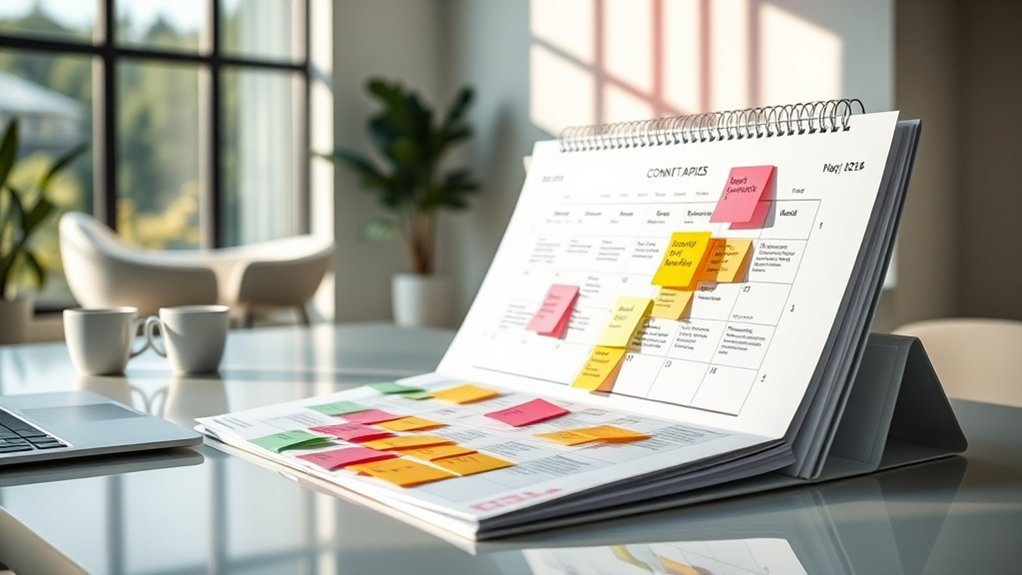
When your content calendar is built around consultation-driving intent, every published piece becomes a direct pathway to booked appointments. Strategic content scheduling around FAQs, procedure guides, and seasonal trends directly influences patient engagement and conversion rates.
Use analytics to identify which topics generate the most consultation requests, then prioritize those in your calendar.
| Content Type | Consultation Impact |
|---|---|
| Patient FAQ Articles | Builds trust, reduces hesitation |
| Seasonal Procedure Guides | Captures peak-demand traffic |
| Before/After Case Studies | Increases procedure confidence |
| Educational Service Pages | Converts researchers into patients |
Regularly updating your calendar with high-performing content formats guarantees you’re consistently meeting patients at critical decision-making moments, turning organic traffic into scheduled consultations rather than missed opportunities.
Frequently Asked Questions
How Often Should a Plastic Surgery Content Calendar Be Updated or Revised?
Hit the ground running by revising your content calendar quarterly. You’ll want to adjust content frequency based on seasonal trends, like summer body procedures, making sure your strategy stays fresh, relevant, and consistently drives organic traffic growth.
What Tools Help Automate Scheduling for a Plastic Surgery Content Calendar?
You’ll refine your plastic surgery content scheduling with automation tools like HubSpot, CoSchedule, or Hootsuite. These platforms let you plan, publish, and track performance efficiently, making certain your SEO-driven content consistently reaches your target audience.
How Do You Measure ROI From Your Plastic Surgery Content Calendar Efforts?
You’ll measure ROI by tracking content performance metrics like organic traffic, conversions, and revenue generated. Monitor audience engagement rates to assess impact, then compare costs against patient inquiries and bookings your calendar’s strategic content consistently drives.
Should Plastic Surgery Content Calendars Differ for Multiple Office Locations?
Like puzzle pieces, each location demands its own fit. You should tailor location-specific strategies for every office, making sure precise audience targeting that speaks directly to each community’s unique demographics, search behaviors, and regional plastic surgery trends.
How Far in Advance Should Plastic Surgery Content Topics Be Planned Out?
You should plan content themes 3-6 months ahead, giving you time to align with seasonal trends and maximize audience engagement. This strategic lead time lets you refine topics, incorporate keyword research, and maintain consistent publishing momentum.